Start with usable time, not calendar days
A two-night trip can offer one full day and two fragments, or almost three useful days, depending on the transport schedule. Before making a sightseeing list, write down when you can realistically reach your accommodation and when you must leave it. Include baggage, airport or station transfers and a margin for delays. Do not assign an important timed ticket to the first hours after an uncertain arrival.
The plans below assume independent travelers using one base, walking where comfortable and using public transport when useful. They are not verified step-free routes. Distances, surfaces, heat and personal pace can change what is manageable. Choose accommodation around the journey you will actually make, rather than assuming the most photographed square is always the best base. Keep reservations, addresses and return-journey details accessible offline.
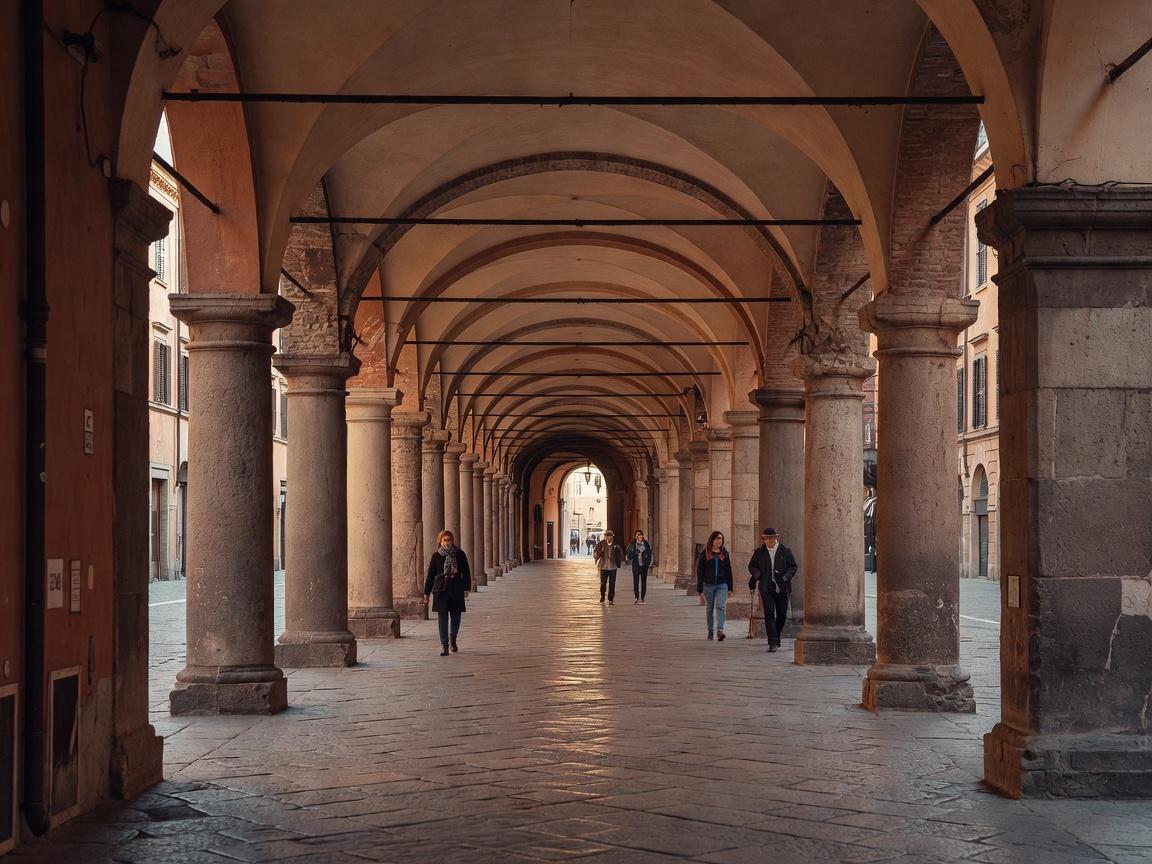
Bologna: two nights, one city
Bologna suits travelers who enjoy architecture, food and the repetition of a favorite street. Its porticoes provide a distinctive framework for exploring, but shelter does not remove the effects of heat, rain or uneven surfaces. The plan deliberately avoids adding Florence, Venice or another city. With only one full day, an extra rail trip can turn a restorative weekend into a sequence of departures.
Arrive, orient, stop early
Reach your accommodation, then take an uncomplicated walk toward Piazza Maggiore. Use the first outing to understand the center, find a nearby meal and notice the route back. Leave major admissions and distant restaurants uncommitted. If you arrive late, a comfortable dinner and an early night are a successful first evening, not a failed itinerary.
One cultural anchor, a long middle
Choose one museum or historic interior whose current access arrangements suit you. Build a neighborhood walk and market-area lunch around it, checking trading hours rather than assuming every stall is open all day. Keep the afternoon flexible for another short visit, a café or a return to your room. San Luca can be an alternative focus if the journey and physical demands fit; it should replace part of the day, not be squeezed into its margins.
A familiar route before departure
Return to a street you liked, have breakfast without crossing the whole city, and leave time to collect luggage. Verify the departure station or airport transfer and the operator’s recommended margin. Avoid buying a final-hour attraction ticket whose value depends on everything running perfectly. The final morning should close the trip rather than test your luck.
What to weigh: trade fairs and other busy dates can increase room pressure. Food-focused travel can also become expensive if every meal is treated as a special event. Check menus and dietary options in advance where necessary, and remember that a lively central location may carry an evening-noise trade-off.
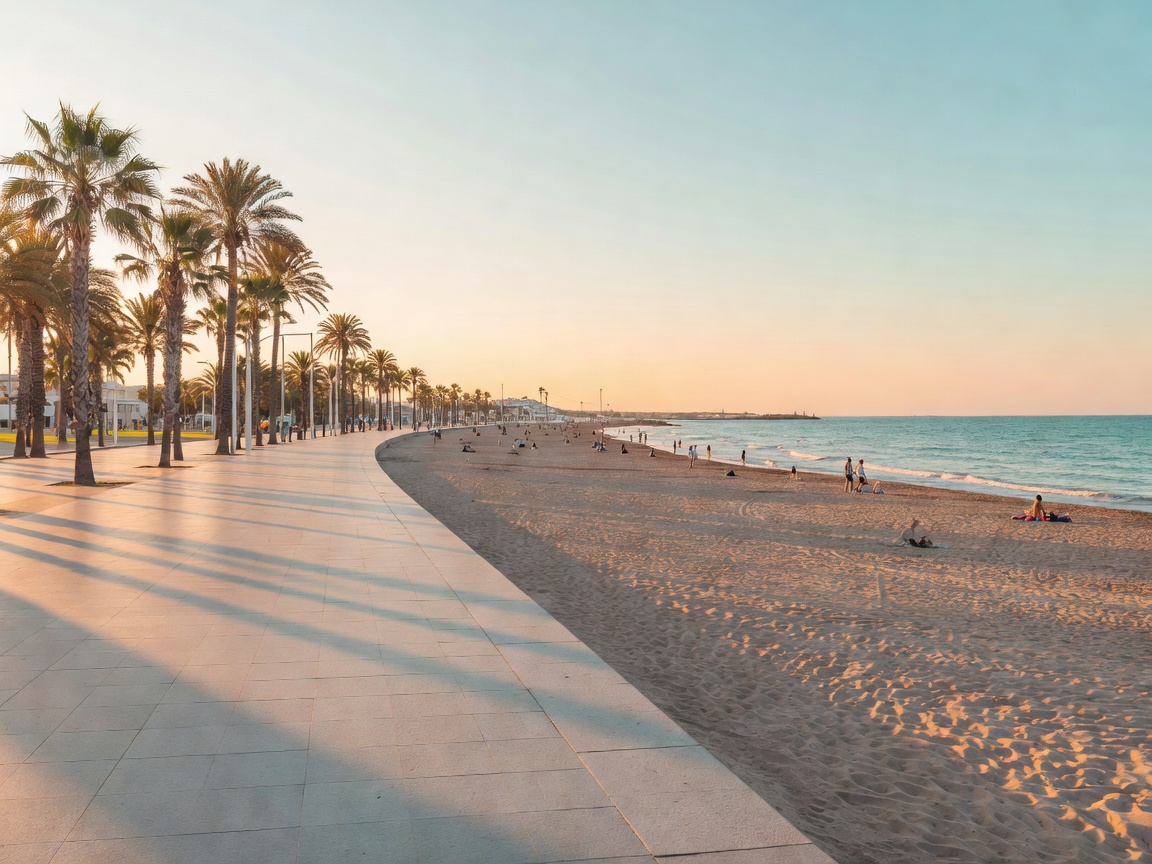
Valencia: three nights, separate city and coast days
Valencia offers enough variety to justify an extra night, but only if you let different parts of the city occupy different blocks of time. The historic center, Turia Gardens and coast are not one continuous compact attraction. Check the actual transit routes from your proposed accommodation. A well-connected base can reduce unnecessary crossings and make a midday rest more realistic.
A small old-town arrival
Settle in and take a short orientation walk near your base. Keep the first evening local, especially after a late flight. If the Central Market interests you, check its opening schedule and place it on a suitable morning rather than assuming it will fit on arrival. Make tomorrow’s plan after seeing the forecast and understanding your energy level.
Historic center and a green pause
Use the morning for one or two old-town priorities, then step away from a continuous monument checklist. Add a manageable section of the Turia Gardens, with shade and breaks chosen for current conditions. The City of Arts and Sciences can be a separate anchor if that is your main interest; research individual venues and ticket requirements rather than treating the whole complex as a single quick stop.
Give the coast its own day
Travel to the coast without carrying a second full city itinerary in your head. Plan for a waterfront walk and a meal, with swimming conditional on weather, flags and your own abilities. If conditions are unsuitable, use a museum or another indoor activity instead. Do not let a photograph of a sunny beach overrule the conditions in front of you.
Keep departure deliberately light
Choose a nearby breakfast or short walk, then follow a checked transfer plan. Allow for luggage collection and disruptions. If your flight leaves late, arrange storage through a provider whose hours and terms you understand, rather than assuming your accommodation can keep bags indefinitely.
Make the plan smaller when needed
Weather, fatigue or an unexpected closure should not collapse the holiday. Keep one indoor replacement, one nearby meal option and one easy route home in mind. If traveling with children or anyone who needs regular rests, shorten the walking blocks before adding attractions. A memorable trip may contain fewer named sights and more comfortable time in each place.
Finally, revisit the budget assumptions. Extra nights, storage, special admissions and coast transfers all belong in the total. The point of a short itinerary is not to maximize entries on a map; it is to make a limited amount of time feel like a proper stay.